

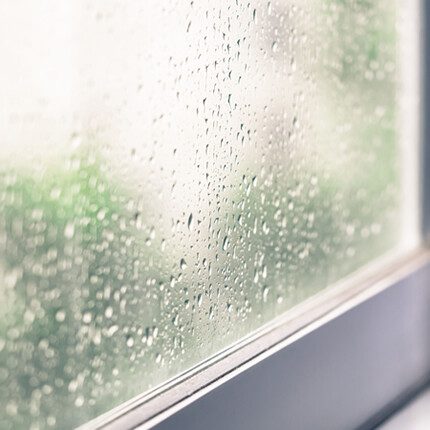
Understanding and Addressing Moisture in Double Glazed Windows
At Peterborough Doors, we know how vital double-glazed windows are for your home. But when you notice moisture building up between the panes or on the inner surface, it can be frustrating and concerning. In this article, we will guide you through what causes moisture issues in double glazing. Also, how you can prevent it, and what steps to take if your windows are already affected.
What Are Double Glazed Windows?
Let us start with the basics. Double glazed windows consist of two panes of glass separated by a gap filled with either air or an insulating gas, like argon. These layers create a barrier that prevents heat loss, reduces energy bills, and provides excellent soundproofing.
For many Peterborough homeowners, double glazing is a must-have—offering comfort and energy efficiency, especially during those chilly winters. But like any part of your home, these windows are not immune to wear and tear.
Identifying the Issue: Why Is There Moisture?
What is Condensation?
Condensation occurs when warm air hits a cold surface, causing water droplets to form. If you see condensation on the surface of your windows, especially on the inside of your home, it is often a sign of trapped moisture in the room.
However, if you spot droplets between the panes of glass, the issue is more serious. This suggests that the seal securing the insulating gap has failed, allowing air (and moisture) to get inside.
The Role of Window Seals
The seals in your double-glazing unit are crucial. They keep the insulating layer airtight and prevent moisture from creeping in. Over time, seals can degrade due to age, changing weather conditions, or poor installation. Even a tiny gap can allow enough moisture to cause noticeable condensation between the panes.
Condensation vs. Droplets: What’s the Difference?
It is important to distinguish between regular condensation and moisture trapped inside your double glazing:
- Condensation on the inner pane: This happens when your home produces more moisture than can escape (e.g., from cooking or bathing). Though manageable, it can lead to mold and damp issues if ignored.
- Moisture between the panes: This is a bigger problem. Once the seal is compromised, that insulating layer is effectively ineffective, reducing energy efficiency and making your window cloudy.
Causes of Moisture in Homes
- Everyday Habits
Peterborough homes are no strangers to humidity—especially with our weather! Everyday activities like cooking, showering, and drying laundry indoors add moisture to the air. Even breathing contributes to overall humidity.
- Bigger Households, Higher Humidity
The more people in your home, the more moisture is generated daily. Combine that with wintertime heating, and you’ve got the perfect environment for condensation on your windows.
Preventative Measures: Reducing Moisture Build-Up
- Ventilation is Key
Preventing condensation starts with proper ventilation. Here are some simple solutions:
- Open windows for short periods each day to let moisture escape.
- Use trickle vents, which are often built into modern windows and allow consistent airflow.
- Turn on extractor fans in bathrooms and kitchens when in use.
- Alternative Tips for Closed Spaces
For those colder nights when you do not want to keep windows open, consider:
- Leaving your windows on the first handle setting, which allows a small gap for airflow but keeps the window secure.
- Using a dehumidifier to reduce moisture in the air.
Solutions for Existing Window Glass Problems
If your windows already have moisture between the panes, there are two routes to solve the issue.
- Replacement Windows
When seals fail, replacement is often the best long-term solution. At Peterborough Doors, we offer tailored double-glazing replacements, so you do not always need to replace the entire window—just the affected unit.
- Full replacement: Necessary for older or heavily damaged windows.
- Partial replacement: An economical option if only one section needs attention.
- Window Repairs
A less invasive option is the drilling method, which involves creating a small hole to remove moisture and reseal the unit. While lower cost, it is not always a permanent fix and might not restore full insulation.
Our expert team can assess your windows and recommend the best option for your situation.
Window Repair Conclusion
Moisture and condensation in double glazed windows are common problems, but they do not have to compromise the comfort and efficiency of your Peterborough home. By understanding the causes and solutions, you can take action to protect your windows and your home’s energy efficiency.
If you are dealing with condensation or thinking about upgrading your windows, we are here to help. Contact Peterborough Doors today and let us provide you with high-quality, locally trusted double-glazing solutions backed by a reliable warranty.
At Peterborough Doors, we are proud to bring our local expertise to homes and businesses. Quality, experience, and a passion for supporting our community—that’s what sets us apart.
Leave A Comment