
Not All Composite Doors Are Equal: What Peterborough Homeowners Need to Know
Composite doors are a popular choice for front doors across Peterborough, Deeping St James, Stamford, Market Deeping, and the surrounding villages. It is easy to see why. A well-made composite door offers strong security, excellent thermal efficiency, and a clean, modern finish that improves the look of the whole property.
However, many homeowners only discover an important point after installation: “composite” does not automatically mean “high quality.” Composite doors vary hugely in construction, performance, and how well they maintain correct alignment over time.
At Peterborough Doors, we work locally and see it all—new builds, 1930s semis, Victorian terraces, and rural cottages. Homeowners regularly call us to fix doors that have dropped, locks that no longer engage smoothly, and draughts that return after the first winter. This guide explains what matters when you compare composite doors, so you can choose a door built to last—not one built to meet a budget.
“Composite” Means Mixed Materials—Not Guaranteed Performance
At its simplest, a composite door is a door made from multiple materials. However, this definition alone tells you very little about quality. Most composite doors include the following components:
GRP (Glass Reinforced Plastic) outer skins – these are durable, weather-resistant, and can replicate a timber grain finish convincingly
A core – importantly, this is where the biggest differences between doors are found
Internal reinforcement – this varies significantly by manufacturer and door range
A full door system – including the frame, seals, hinges, glazing, and locking mechanism
Here is the key point: two doors can both be sold as “composite” and yet feel completely different in practice. One will shut with a solid, confident close and stay square for years. In contrast, another may feel noticeably lighter, flex under pressure, and need frequent adjustments.
The Composite Door Core Is the Key Component (And It’s Often Overlooked)
If you’re comparing doors, the best place to start is the core construction. The core affects:
- Rigidity and stability
- Security
- Insulation
- How well the lock engages over time
Common core types include:
- Foam-filled cores (often polyurethane): Strong on insulation, but can be lighter and may flex in lower-spec designs.
- Timber subframe with foam infill: Can be an improvement, but timber can move with temperature and moisture if it’s not engineered properly.
- Solid high-density cores (premium ranges): Typically heavier and more rigid, and better at resisting forced entry methods that rely on flexing the slab.
A stable, rigid door stays aligned. That means the multi-point locking hooks and bolts engage cleanly, the seals compress properly, and you’re not having to fight the handle just to lock the door.
That matters in our area. Peterborough weather brings cold snaps, wet winters, and wind exposure, and any weakness in stability shows up quickly.
Door Security Is More Than the Lock—It’s the Full Door Set
Most composite doors are advertised with multi-point locking, and that’s a good start. But security is only as strong as the full system.
A high-quality lock fitted to a flexible door slab or weak frame won’t perform as it should.
When we assess security properly, we look at:
- Door leaf strength: reinforcement and resistance to flex
- Frame strength: rigidity and correct fixing into the opening
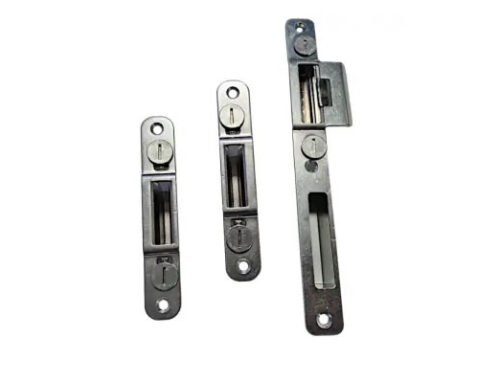
- Locking mechanism: multi-point type, number of locking points, hook bolts, keeps
- Cylinder spec: ideally anti-snap and compliant with modern standards
- Hinge-side security: hinge bolts or security hinges
- Installation quality: correct packers, fixings, and accurate alignment
Real security is what still works properly after years of use—not just what looks good on paper.
Composite Door Weight and “Feel” Still Matters
You can often tell a lot by opening and closing a door.
A higher-quality composite door usually feels:
- Solid and planted
- Stable through the middle (less “spring”)
- Consistent as it closes into the frame
A lighter door isn’t always a problem, but if it feels thin or flexes, it’s often a sign the internal build is more basic.
That’s why we recommend seeing samples where possible. Photos do not show rigidity, closing action, or overall build quality.
Composite Door Thermal Efficiency: Focus on the Details, Not the Sales Line
A warm, draught-free hallway comes down to specification and fitting. What improves thermal performance is:
- A well-insulated core (foam or high-density core depending on range)
- A thermally efficient frame
- Multiple compression seals
- Correct installation (square frame, even seal contact)
- The right threshold for the property—especially important in older homes with uneven floors
If a front door feels draughty, it’s usually not because “composite doors are draughty.” It’s typically due to poor sealing, low-grade gaskets, or movement/misalignment after installation.
Dropping Doors and Sticky Locks Are Usually Preventable
Common complaints we hear when replacing a door fitted elsewhere:
- Door catching on the frame
- Lock hard to lift or not engaging smoothly
- Gaps appearing around the edge
- Draughts returning after a winter
- Handles loosening or needing constant adjustment
Some settling can happen, but repeated problems usually point to:
- A slab that flexes or twists
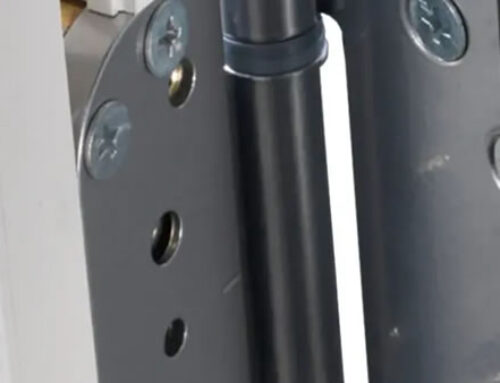
- Hinges not rated for the door weight
- Poor packing and fixing of the frame
- No proper post-fit adjustment
Installation makes a big difference. We take time to get alignment right because it reduces wear on the lock and keeps the door operating smoothly—especially in busy homes where the front door is used all day.
Composite Door Glazing and Finishes: Choose the Style, But Build Comes First
Composite doors suit almost any property style. Popular choices include:
- Traditional panels for older homes
- Modern flush designs for newer properties
- Decorative or frosted glazing for privacy and light
- Hardware finishes like chrome, black, and satin
If you are choosing glazing, ask:
- Is it double glazed (or upgraded where available)?
- Is the unit properly sealed?
- Is the glazing cassette robust and secure?
- Does the glazing spec maintain the door’s security performance?
A glazed composite door can still be secure and thermally efficient—if it’s specified correctly.
The Door Frame Is Just as Important as the Door Slab
The frame is doing a lot of work. It carries the weight, holds the seals, and keeps the locking points aligned. A great door fitted into a poor frame system is wasted money.
When comparing quotes, ask:
- What frame system is included?
- How is it fixed into the opening?
- What’s used to ensure weather tightness (seals, trims, silicone)?
- Is the threshold suitable for the entrance (accessibility and water run-off)?
In Peterborough and the surrounding villages, many older properties have openings that aren’t perfectly square. A local installer who’s used to this housing stock knows how to fit the door correctly without creating weak spots.
Composite Door Guarantee Matters
A long guarantee is helpful, but it doesn’t necessarily reflect how the door will operate day-to-day.
Better questions to judge value:
- Is the door design stable and rigid?
- Is the door hardware a known, reputable spec?
- Will it suit heavy daily use?
- Is the installer genuinely local, so aftercare is simple?
We’re proud to be a Peterborough-based company because customers want support they can rely on. If you need an adjustment later, you want someone nearby who knows the job.
What to Ask Before You Buy a Composite Door
If you want to cut through the sales pitch, ask these:
- What core does the door use (foam, timber subframe, solid/high-density)?
- What multi-point lock is fitted (brand, hooks, number of points)?
- Is the cylinder anti-snap and to current security standards?
- How many hinges are included, and what type?
- What frame system is supplied, and how is it fixed?
- How many seals are fitted and where?
- Is the door and installation compliant with relevant building requirements?
- Who fits it, and what local aftercare is available?
If a supplier can’t answer clearly, you’re taking a risk.
Conclusion: Composite Doors Are Excellent—When You Choose the Right One
A composite door can transform your entrance, but only when you get the core, construction, security components, frame, and installation right.
For homeowners across Peterborough, Deeping St James, Stamford, Market Deeping, and the surrounding villages, the best results come from choosing a door that suits your property and working with an experienced local team who understands the local housing stock and weather conditions.