
Anti-Snap Cylinders: What Peterborough Homeowners Need to Know
Your front door might have a quality multi-point lock, solid hinges, and a robust frame. However, if the cylinder is vulnerable, none of that matters. A weak cylinder is the easiest entry point for intruders, and it takes only seconds to exploit.
Across Peterborough and the surrounding areas, we regularly replace outdated or substandard cylinders for homeowners who did not realise their doors were at risk. This guide explains what anti-snap cylinders are, why they matter, and what to look for when upgrading.
What Is a Cylinder (And Why Is It a Target)?
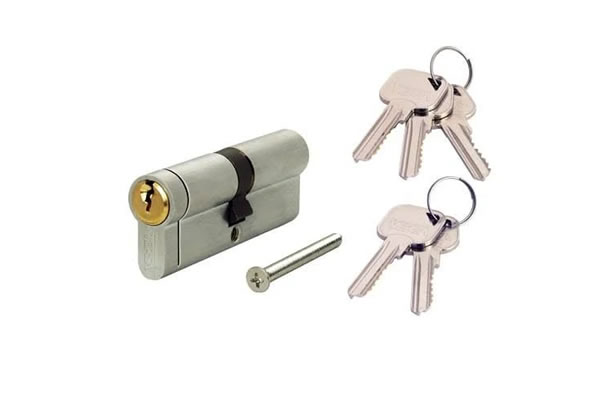
The cylinder is the part of the lock where you insert your key. It sits within the door, passing through the lock mechanism, and controls whether the deadbolt engages or releases.
Standard cylinders, particularly older euro cylinders, have a known weakness. They protrude slightly from the door face, and the material around the fixing point is often thin. This makes them vulnerable to a technique called cylinder snapping.
How Cylinder Snapping Works
Cylinder snapping is a forced entry method that requires minimal skill and basic tools. The process is straightforward:
- The intruder grips the protruding part of the cylinder with pliers or a similar tool.
- Force is applied to snap the cylinder at its weakest point, usually near the centre.
- Once snapped, the remaining part of the cylinder can be pulled out or manipulated to release the lock.
The entire process can take less than thirty seconds. It is quiet, fast, and leaves the door operable afterwards, which is why it became a preferred method for burglaries across the United Kingdom.
What Makes a Cylinder Anti-Snap?
An anti-snap cylinder is designed to resist this attack. The key difference is in the construction:
Sacrificial Cut Lines
Quality anti-snap cylinders include a deliberate weak point, called a sacrificial section or snap line, positioned near the outer edge. If force is applied, this section breaks away first, leaving the main body of the cylinder intact and the lock still secured.
The sacrificial section is essentially a decoy. It gives the intruder something to break, but breaking it does not compromise the lock.
Reinforced Construction
Beyond the snap line, better cylinders also feature:
- Hardened steel pins that resist drilling
- Anti-pick design with security pins that prevent manipulation
- Anti-bump construction to resist bump key attacks
- Reinforced housing around the cam and fixing point
Correct Sizing
An anti-snap cylinder must be correctly sized for the door. If the cylinder protrudes too far from the door face, it remains vulnerable regardless of its internal construction. A properly fitted cylinder should sit nearly flush with or slightly recessed from any external hardware.
Standards and Ratings: What to Look For
When comparing cylinders, look for recognised standards:
TS007 (British Standard)
This is a one-star, two-star, or three-star rating system:
- One star: The cylinder alone provides basic resistance.
- Two stars: The cylinder requires additional hardware (such as a protective escutcheon) to achieve the rating.
- Three stars: The cylinder and handle/escutcheon combination together meet the full standard. This is the recommended level for front doors.
A three-star rated combination (cylinder plus handle or escutcheon) provides protection against snapping, bumping, picking, and drilling.
Sold Secure
Some cylinders also carry Sold Secure accreditation, particularly the Diamond standard, which indicates independent testing against a range of attack methods.
Kitemark
The BSI Kitemark confirms the product has been tested and certified to meet British Standards. It is a useful indicator of genuine quality rather than marketing claims.
Why This Matters for Homes in Peterborough
Across Peterborough, Huntingdon, and the surrounding villages, we see a wide range of door types and ages. Many composite doors installed in the past ten to fifteen years came with basic euro cylinders that do not meet current security recommendations.
If your door was installed before anti-snap cylinders became standard, or if you are unsure what cylinder is currently fitted, it is worth checking. The door itself may be perfectly sound, but the cylinder could be the weak point.
Properties in both urban and rural parts of the area have been targeted using cylinder snapping. Upgrading to a quality anti-snap cylinder is one of the most cost-effective security improvements a homeowner can make.
Signs Your Cylinder May Need Replacing
Consider a cylinder upgrade if:
- Your door is more than five years old and you have not replaced the cylinder
- The cylinder protrudes noticeably from the door face
- You cannot confirm the cylinder meets TS007 three-star (or equivalent) standards
- The key operation feels rough, stiff, or unreliable
- You have experienced a break-in attempt or the cylinder shows signs of tampering
What We Recommend
For front doors across Peterborough and Huntingdon, we typically recommend:
- A three-star TS007 rated cylinder and handle combination
- Correct sizing so the cylinder does not protrude
- A reputable brand with proven performance and available spare parts
- Professional fitting to ensure correct alignment and operation
A cylinder upgrade is usually straightforward and can often be completed within a single visit. It provides immediate improvement to your door security without replacing the entire lock or door.
Local Advice, Professional Fitting
If you are uncertain whether your current cylinder is adequate, we can assess it and advise on the most appropriate replacement. We supply and fit anti-snap cylinders across Peterborough, Huntingdon, and the surrounding areas, ensuring correct sizing and smooth operation.
Clear advice, quality components, and local service. That is Peterborough Doors.