
Seasonal Door Adjustment: Why Your Lock Sticks in Winter
Every winter, homeowners across Peterborough, Huntingdon, and the surrounding areas experience the same frustrating problem. A door that operated smoothly throughout summer suddenly becomes difficult to lock. The handle is stiff to lift. The key turns reluctantly. What was once a simple action now requires force, patience, and sometimes a second pair of hands.
This is not a sign that your lock has failed. In most cases, it is a predictable response to seasonal conditions. Understanding why this happens, and what can be done about it, helps you maintain a properly functioning door throughout the colder months.
Why Doors Behave Differently in Winter
Composite doors, uPVC doors, and their frames are designed to be stable and durable. However, all materials respond to changes in temperature and humidity. Winter brings colder temperatures, increased moisture, and fluctuating conditions that affect how door components interact.
Contraction and Expansion
When temperatures drop, materials contract. The door slab, the frame, the hinges, and the locking mechanism all respond to cold weather. The degree of contraction varies between materials. Metal components contract more than composite materials. The frame may shift slightly relative to the door.
These changes are typically measured in fractions of a millimetre, but door locks operate on precise tolerances. A shift that seems insignificant can be enough to cause hooks and bolts to bind against their keeps, making the lock stiff or difficult to engage.
Frame Movement
Frames are fixed to the building structure, which itself responds to seasonal changes. In older properties across Peterborough and Huntingdon, slight frame movement during winter is common. The frame may twist or shift fractionally as surrounding brickwork or timber contracts.
When the frame moves, the alignment between the door and the keeps changes. Locking points that engaged cleanly in warmer months may now catch or bind.
Moisture and Swelling
While cold causes contraction in many materials, increased moisture can cause swelling in others. Timber subframes, common in older properties, absorb moisture during wet winter conditions. This swelling can push the frame inward, tightening the gap between door and frame and causing compression issues.
Even modern composite doors can be affected by moisture ingress around seals or at the base, particularly if drainage is blocked or seals have deteriorated.
How Winter Conditions Affect the Lock Mechanism
The lock mechanism itself can also be affected by winter conditions.
Stiff Gearbox Operation
The gearbox is the central component of a multi-point lock, located behind the handle. It translates the handle lift into movement of the hooks, bolts, and cams. In cold weather, lubricants within the gearbox can thicken, increasing resistance and making the handle feel heavy or stiff.
Cylinder Issues
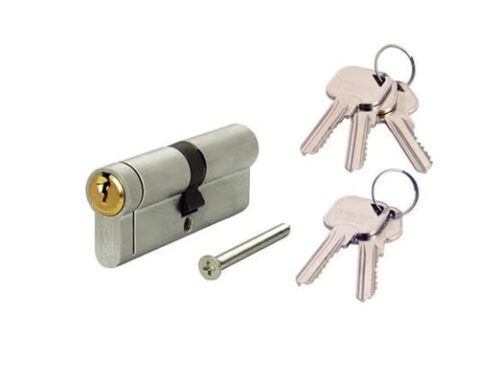
The cylinder is where you insert the key. Cold temperatures can cause the pins inside the cylinder to move sluggishly. Moisture entering the cylinder can freeze in severe conditions, preventing the key from turning at all.
Keep Misalignment
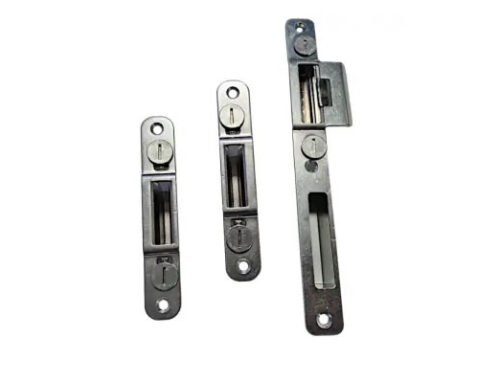
As discussed, the keeps in the frame receive the locking points. Seasonal movement can shift these keeps out of optimal position. Hooks may only partially engage, or bolts may scrape against keep edges rather than entering cleanly.
Signs Your Door Needs Seasonal Adjustment
Homeowners often recognise these symptoms during winter:
- The handle is harder to lift — requires more force than usual
- The key is difficult to turn — feels stiff or meets resistance
- You need to push or pull the door while locking — the lock will not engage without repositioning the door
- The door feels tight in the frame — difficult to open or close
- Draughts have increased — seals are not compressing evenly due to alignment changes
- You hear scraping or grinding — locking points are catching on keeps
These symptoms typically worsen as temperatures drop and improve when warmer weather returns. However, forcing a stiff lock repeatedly can cause lasting damage to the gearbox or locking points.
What Seasonal Door Adjustment Involves
Addressing winter lock stiffness usually requires a combination of adjustments:
Hinge Adjustment
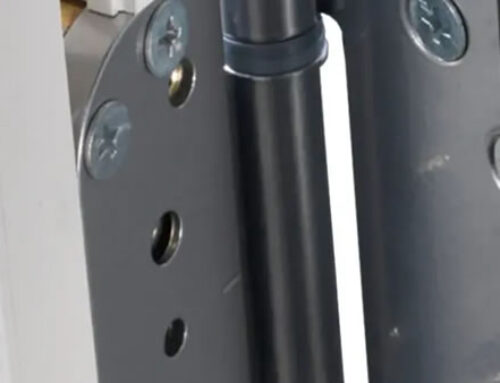
Modern composite door hinges are adjustable in three dimensions. By adjusting the hinges, we can reposition the door within the frame to restore correct alignment with the keeps. This compensates for any contraction or frame movement.
Keep Adjustment
If the keeps have shifted relative to the locking points, they may need repositioning. Adjustable keeps can be moved to ensure hooks and bolts enter cleanly without binding.
Lubrication
Applying appropriate lubricant to the gearbox, cylinder, and moving parts helps counteract the thickening effect of cold temperatures. We use lubricants designed for external door hardware that will not attract dirt or degrade seals.
Seal Inspection
While adjusting the door, we also check the weather seals. Damaged or compressed seals contribute to draughts and can affect how the door sits in the frame.
Preventing Winter Lock Problems
Some steps help reduce the likelihood of seasonal issues:
- Arrange an autumn service — having hinges, keeps, and locks checked before winter allows adjustments to be made proactively
- Keep the cylinder lubricated — a light application of graphite lubricant or specialist lock spray before cold weather arrives
- Avoid forcing the lock — if the handle is stiff, identify the cause rather than applying excessive force
- Clear debris from the threshold — leaves and dirt can block drainage and cause moisture buildup
Local Service When You Need It
Winter lock problems are common across Peterborough, Huntingdon, and the surrounding villages. Properties of all ages and door types can be affected. The key is addressing the issue correctly rather than forcing components that are under strain.
We carry out seasonal door adjustments throughout the colder months, restoring smooth operation and preventing damage to locks and mechanisms. Local knowledge, practical solutions, and service when you need it. That is Peterborough Doors.