
Why Your Composite Door Has Dropped (And How We Fix It)
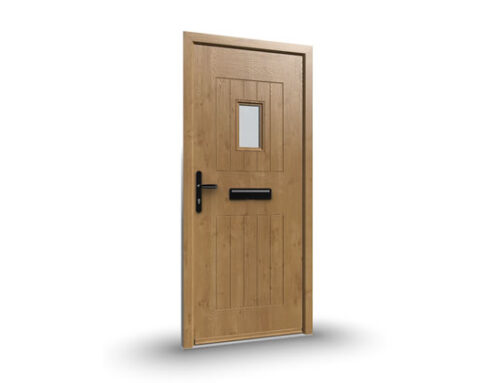
A composite door that once closed smoothly and locked effortlessly can become frustrating over time. The handle becomes difficult to lift. The lock does not engage without force. The door catches on the frame or drags across the threshold. These are the signs of a door that has dropped.
Across Peterborough, Huntingdon, and the surrounding areas, door drop is one of the most common issues we are called to address. The good news is that it is usually correctable without replacing the door. This guide explains why composite doors drop, how to recognise the problem, and what we do to restore smooth operation.
What Does “Door Drop” Mean?
When we say a door has dropped, we mean it has moved out of its original position within the frame. Typically, the side of the door furthest from the hinges (the lock side) has lowered by several millimetres.
This shift may seem minor, but the consequences are significant. The locking points no longer align correctly with the keeps in the frame. The door may scrape against the threshold or the frame. Weather seals no longer compress evenly, leading to draughts. The handle requires more effort to lift, and over time, the lock mechanism itself can fail due to repeated strain.
Why Do Composite Doors Drop?
Several factors contribute to door drop. Understanding the cause helps determine the correct solution.
1) Hinge Wear and Settlement
Every time the door opens and closes, the hinges bear its full weight. Composite doors are heavier than traditional timber doors, typically weighing between 40 and 70 kilograms depending on the style and glazing. Over months and years of use, hinges can wear, loosen, or settle slightly.
If the hinges were not specified correctly for the door weight, or if the fixing screws have loosened in the frame, the door will gradually drop on the lock side.
2) Incorrect Initial Installation
A door may function well for the first few months and then develop problems. This often indicates that the hinges were not adjusted correctly during installation, or that the frame was not set perfectly square. Small errors at installation become larger problems over time as the door settles and components bed in.
3) Frame Movement
In older properties or those with timber subframes, seasonal changes can cause slight movement in the frame itself. As the frame shifts, the door alignment changes. This is particularly common in properties across Peterborough and Huntingdon where building styles and ages vary considerably.
4) Temperature and Humidity Changes
Composite doors are designed to be stable, but all materials respond to environmental changes. Prolonged hot weather can cause slight expansion, while cold conditions can cause contraction. These changes are typically small but can contribute to alignment shifts, particularly if the door was already marginal in its adjustment.
How to Recognise a Dropped Door
You may notice one or more of the following:
- The handle is stiff to lift — you need to push or pull the door while lifting the handle to engage the lock
- The door catches on the frame — usually at the top corner on the lock side, or along the bottom edge
- The door drags on the threshold — leaving marks or requiring effort to close
- Visible gaps around the seals — draughts are noticeable even when the door is locked
- The lock no longer engages smoothly — hooks or cams do not enter the keeps without force
- The door has visibly shifted — the gap between the door and frame is uneven, wider at the top lock side and narrower at the bottom
If you observe any of these signs, the door has likely dropped and requires adjustment.
How We Fix a Dropped Composite Door
Correcting a dropped door involves careful assessment and precise adjustment. Here is how we approach it:
Step 1: Assessment
We examine the door, frame, hinges, and locking system to identify the cause. We check whether the frame is square, whether the hinges are worn or loose, and how the locking points align with the keeps.
Step 2: Hinge Adjustment
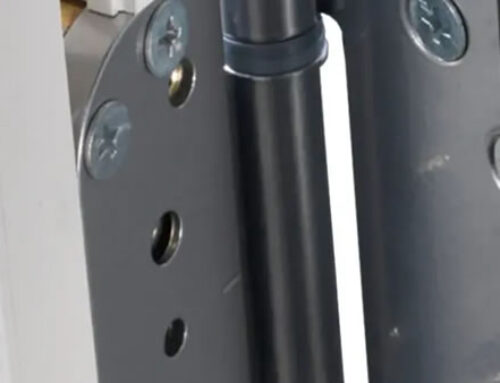
Most modern composite door hinges are adjustable in three directions: laterally (side to side), vertically (up and down), and for compression (how tightly the door sits against the seals). By adjusting the hinges correctly, we can raise the dropped side and restore alignment.
If hinges are worn or damaged, we replace them with components rated for the door weight.
Step 3: Keep Realignment
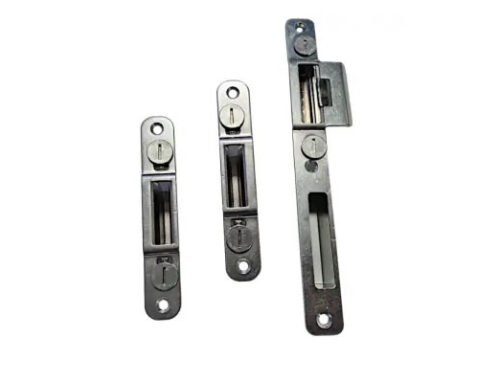
Once the door is repositioned, the keeps in the frame may also require adjustment. The hooks and locking points must enter the keeps cleanly for the lock to operate smoothly. We adjust or reposition keeps as necessary.
Step 4: Final Testing
We test the door through multiple open and close cycles, checking handle operation, lock engagement, seal compression, and overall smoothness. The door should lock with minimal effort and sit evenly in the frame.
Preventing Future Problems
After adjustment, we advise on simple maintenance practices that help prolong correct alignment:
- Avoid hanging items on the door handle
- Close the door gently rather than allowing it to swing shut
- Arrange periodic checks to catch minor shifts before they become significant
Local Service Across Peterborough and Huntingdon
Door drop is a common issue, but it is not something you need to tolerate. With correct diagnosis and professional adjustment, your composite door can operate as smoothly as the day it was installed.
We carry out door adjustments and repairs across Peterborough, Huntingdon, and the surrounding villages. Local service, honest advice, and work completed to a proper standard. That is Peterborough Doors.